Understanding the Environmental Impact of Excavation and How to Mitigate It May 25, 2026
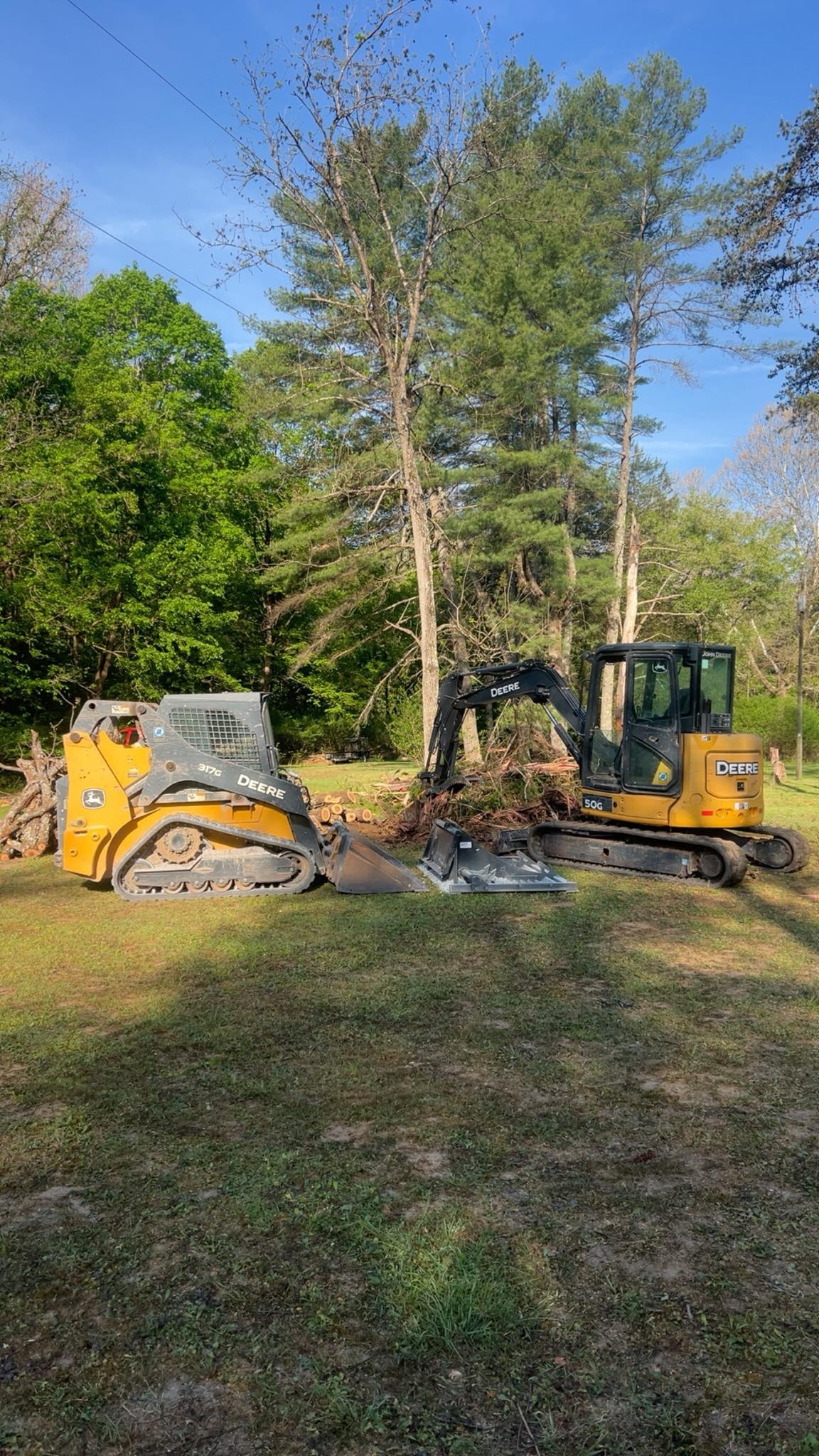
Excavation activities typically involve soil disturbance, removal of vegetation, and alteration of landscapes. These actions can lead to soil erosion, habitat destruction, and pollution of water bodies. When soil is disturbed, it becomes more vulnerable to erosion, especially during heavy rainfall. This can result in sediment runoff into nearby rivers and streams, causing water pollution and negatively affecting aquatic life.
Furthermore, the removal of vegetation disrupts existing ecosystems. Plant roots hold soil in place and provide habitat for numerous species. When these plants are removed, it not only contributes to erosion but also destroys habitat areas, reducing biodiversity in the region.
To mitigate these environmental impacts, Clarke Excavation Co. implements several best practices. First and foremost, site assessment and planning are crucial. Before starting any excavation project, we carefully assess the site to understand its environmental characteristics and potential risks. This allows us to develop a strategic plan to minimize impact, such as identifying areas where vegetation can be preserved and outlining erosion control measures.
One effective method we use to prevent soil erosion is installing silt fences and sediment control barriers. These barriers are placed around the excavation site to trap sediment and prevent it from washing away into local waterways. Additionally, we employ the use of temporary and permanent re-vegetation projects. Once the excavation is complete, replanting native vegetation can restore the ecosystem and stabilize the soil. These plants act as a natural barrier against erosion and help in rebuilding lost habitats.
Proper management of on-site materials is another critical aspect. By minimizing the area of disturbance and keeping excavation to the necessary minimum, we can reduce the removal of native materials and preserve the site's natural balance. Topsoil is often stripped and stored separately to be used later in the project for reclaiming disturbed areas.
Furthermore, when managing waste from excavation, recycling and reusing materials within the project can significantly reduce environmental impact. For example, repurposing excavated materials for backfilling can decrease waste and lower the need for external resources.
Fuel consumption and machinery emissions are also crucial factors. Clarke Excavation Co. ensures the use of modern, fuel-efficient equipment to lower emissions. Regular maintenance keeps our fleet in optimal condition, further reducing the environmental footprint of our operations.
In conclusion, while excavation is necessary for development, its environmental impacts cannot be ignored. Being mindful of these impacts and taking proactive steps to mitigate them is essential. With thorough planning, erosion control, sustainable practices, and careful site management, it is possible to minimize the environmental footprint of excavation projects. Clarke Excavation Co. is committed to continuing our efforts to integrate environmentally responsible practices across all our operations, ensuring that progress and preservation go hand in hand.