The Environmental Benefits of Choosing Sustainable Excavation Practices May 15, 2026
To start, sustainable excavation practices involve using methods and equipment that reduce environmental impact. This can be achieved through several techniques. One essential practice is minimizing soil disturbance. By carefully planning excavation projects, we at Clarke Excavation Co. ensure that only the necessary areas are disturbed, preserving as much of the natural landscape as possible. This approach helps in maintaining local biodiversity and preventing soil erosion, which can lead to landslides and other adverse environmental conditions.
Water conservation is another critical environmental consideration. Sustainable excavation techniques may involve the use of silt fences or other barriers to prevent runoff into nearby water bodies. This is crucial because unchecked runoff can lead to water pollution, affecting aquatic life and potentially leading to fines or project delays. By implementing efficient drainage and water management systems, we help protect local waterways and ensure compliance with environmental regulations.
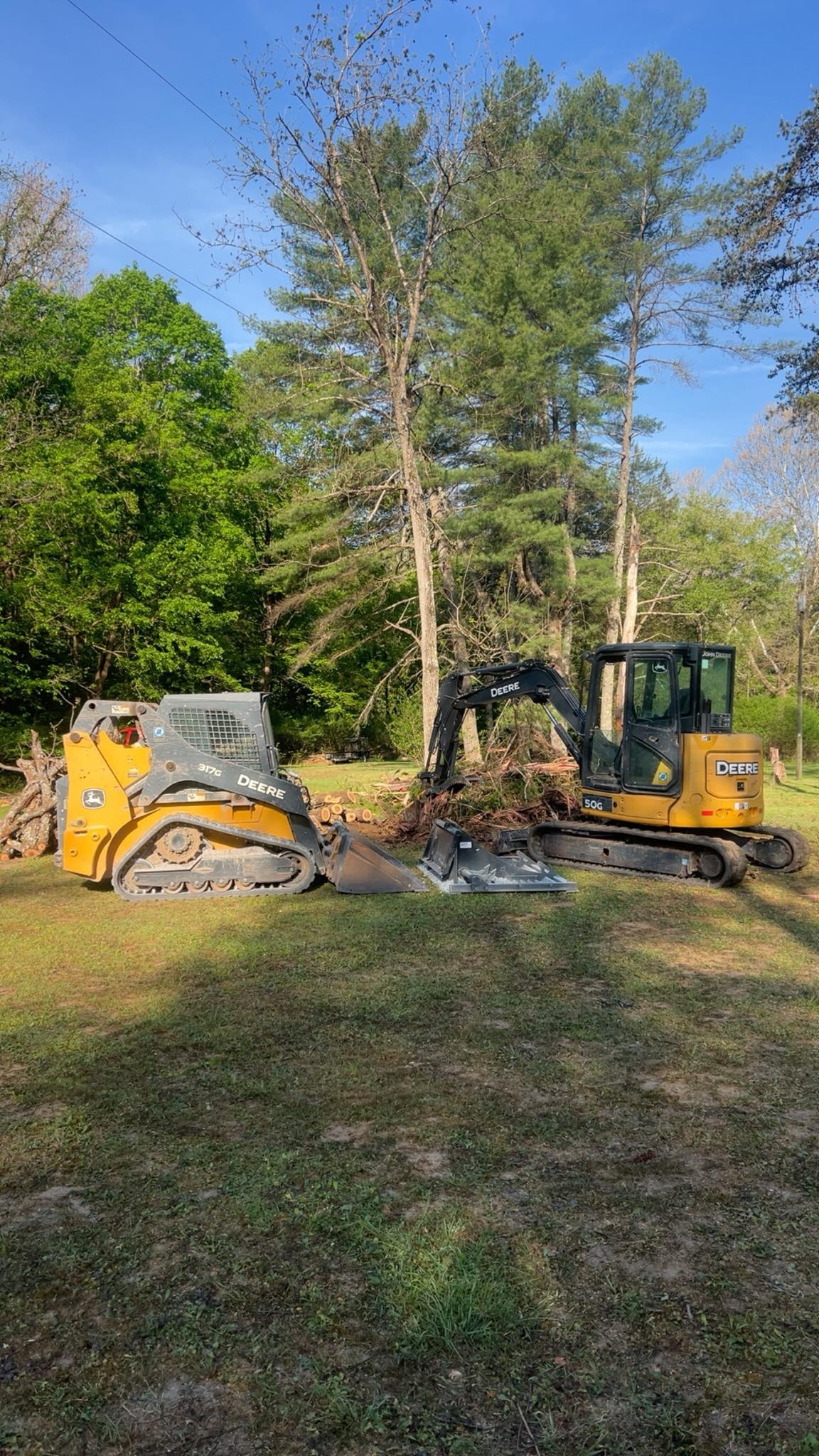
In addition to preserving ecosystems, sustainable excavation methods can greatly reduce a project's carbon footprint. This includes using modern, fuel-efficient machinery that emits fewer greenhouse gases and reduces noise pollution. At Clarke Excavation Co., we are committed to investing in and utilizing the latest technology to ensure our operations are as eco-friendly as possible. Employing machinery with reduced emissions not only cuts down on air pollution but also aligns with stricter environmental standards, positioning us as leaders in environmentally responsible excavation.
Recycling and reusing materials is another key component of sustainable excavation. Instead of sending excavated materials straight to landfill sites, these resources can often be repurposed. For example, rocks and soil extracted during projects can be used in landscaping or as fill material. This reduces waste and the need to source new materials, which in turn lowers environmental impact and often project costs.
Moreover, sustainable practices often lead to improved community relations. Local communities are becoming more involved and concerned about the environmental impacts of nearby construction activities. By transparently engaging with these communities and demonstrating commitment to sustainability, Clarke Excavation Co. fosters goodwill and trust. This community-focused approach not only benefits the environment but also strengthens our client relationships and community reputation.
In conclusion, shifting towards sustainable excavation practices presents a multitude of benefits. These practices enable significant reductions in environmental impact, compliance with environmental laws, cost savings through resource efficiency, and enhanced community relations. At Clarke Excavation Co., sustainable excavation is not just an option but a responsibility we are proud to uphold. By choosing to partner with us, you are ensuring that your project is completed with respect for the environment and a commitment to future sustainability. As more businesses make the conscious decision to use sustainable methods, they help pave the way for a greener, more sustainable future in the excavation industry and beyond.